
Busting the Myth: Creating the Perfect Organic Living Soil Is Easy

Introduction
There’s a common misconception floating around the gardening world that organic living soils are all the same, or that you can just throw some compost, peat, and aeration together, throw in some amendments and call it a high-performance mix. This is the first in a series of myth-busting articles designed to take you behind the scenes of our journey in crafting a certified organic living soil that performs under pressure. Whether you're a medicinal home grower, organic veggie gardener, or simply someone passionate about organic cultivation, this series will shed light on the rigorous science behind the soil and why not all mixes are created equal.

From Backyard Blends to Agronomic Precision
The story of Easy As Organics has always been rooted in experimentation, education, and evidence. Over the years, we’ve tested many soil formulas using both microscopy and comprehensive soil chemistry analyses as well as growth trials. We set a goal to formulate a mix that supports vigorous plant growth through natural, biological processes of nutrient mineralisation with a high nutrient and water holding capacity but still containing excellent drainage and air filled porosity.

But Australia presents unique challenges. Resources for organic growing media are limited. Access to raw materials to formulate a quality living soil growing media are also limited. Local expertise in biological soil management and regenerative agriculture are definitely here and growing and there is some impressive work being done for broad acre regenerative farming. However when it comes to organic cultivation in engineered, mixed organic growing media, especially in protected cropping environments, the available information and supporting businesses are scarce. To push our soil to the next level, we needed to look beyond borders.

Enter KiS Organics.
In 2023, at the Soil Life Summit in Nevada City, California, we connected with the team at KiS Organics. Their reputation for data-driven soil science and a shared commitment to sustainable solutions for organic controlled environment agriculture made the collaboration a natural fit. I was already well acquainted with their vision and brand trust, having followed their journey from before the founding of Easy As Organics. Their reputation for evidence-based organic cultivation products and services became known around the world and I saw a great opportunity to associate Easy As Organics with this brand.

Though our businesses operate on opposite sides of the world, our values aligned:

  • Simple organic cultivation practice, centred around high quality living soil with minimal inputs needed
  • High quality food and medicine production with minimal inputs and low ongoing cost of production.
  • Transparency, testing, and continuous improvement

The idea to co-develop a soil mix custom made for Australian conditions using the combined agronomic insights of both teams was born.

The Dirty Work: Lab Tests, Field Trials, and Amendments
This collaboration wasn’t a rushed product launch. We committed to a full R&D process, investing thousands into testing and formulations.

We began by building a new base mix from:

  • Coarse Lithuanian peat moss
  • Medium-grade perlite
  • Volcanic scoria
  • Biochar (5% by volume)
  • Certified organic pine bark-based compost for horticulture

During this initial phase, every input was tested for heavy metals and nutrients to ensure purity and efficacy. This guided our ingredient selection so we could choose the highest quality inputs based on real data. From this, we sent samples of each test batch by testing through Logan Labs and EAL, refining mineral balances until the lab results started to look really good. This process was repeated many times over the course of 2 years until we finally achieved satisfactory results. This was a result of trying a few different composts. The more traditional, nutrient dense composts available turned out to be unsuitable for container growing due to consistently high sodium, chloride, overall salinity and heavy metals. These composts made formulation very difficult to achieve any kind of precision around fertility. As soon as we began formulating around a much lighter composted pine bark, fertility became easier to steer and dial in as we were able to add a lot of mineral and organic amendments to get close to target levels and achieve a well balanced mix. A multi-strain Bacillus consortium was incorporated at batching to enhance early nutrient mineralisation, particularly the nitrification of ammonium to plant-available nitrate, thereby supporting optimal nutrient availability during the critical establishment phase of plant growth.

Commercial greenhouse installation with Easy As Organics Living Soil, Grassroots Fabric Raised Beds and a commercial Blumat controlled irrigation system
Commercial use of Easy As Organics Living Soil on Capillary Aquamats


Certifying Quality: AS3743 Compliance, SXC Certified Organic & National Transportability
After two years of formulation, field performance, and lab analysis, we had a product we were proud of. But to truly serve the Australian market—especially commercial growers—we needed to go one step further. We pursued and achieved AS3743 certification, making the soil compliant for commercial potting mix standards in Australia.

Australia has strict biosecurity regulations to prevent the spread of plant pests, diseases, and invasive species between states. Moving untested soil or compost across borders can be restricted and in some cases prohibited unless the material meets specific cleanliness and safety standards.

AS3743 certification helps address these requirements because the standard includes controls on raw material sourcing, compost maturity, and the absence of viable weed seeds and plant pathogens. By meeting these criteria, our living soil can be transported into most states without additional quarantine treatment, saving growers from delays, inspection fees, or the risk of having material refused at the border.

We have also maintained organic certification since 2020. NASAA has unfortunately gone into administration so we have transferred our certification to Southern Cross Certified.

Consistent particle size and structure: In an engineered living soil, the physical structure is just as important as the nutrient profile. Particle size distribution directly affects air filled porosity (AFP), which is the volume of air in the root zone after watering, and water holding capacity (WHC), which is the soil’s ability to store moisture for plant use.

  • Air Filled Porosity (AFP): Roots require oxygen for respiration, and a lack of air in the rhizosphere can quickly lead to anaerobic conditions, root stress, and disease. By using a carefully graded combination of coarse and fine particles, our mix maintains an optimal AFP that supports healthy root metabolism and microbial activity, even in high moisture environments.
  • Water Holding Capacity (WHC): Adequate WHC ensures plants have access to water between irrigations without the mix becoming waterlogged. This is particularly important in living soil systems, where moisture also supports microbial life and nutrient mineralisation. A balance of moisture retention and drainage is achieved through the combination of peat moss, biochar, scoria, and perlite, allowing for both consistent hydration and rapid removal of excess water.

By engineering the mix with a consistent particle size range, we avoid compaction over time, maintain predictable aeration and moisture dynamics, and provide a stable environment for both roots and the soil food web. This structural consistency is essential for reproducible performance from batch to batch, which is critical for growers seeking reliability across multiple crop cycles.

Nitrogen Drawdown Index (NDI) in Living Soil
The Nitrogen Drawdown Index (NDI) is part of the AS3743 standard and is used to assess whether the organic component of a potting mix will immobilise nitrogen as it decomposes. When composted materials are not fully stabilised, soil microbes can consume large amounts of nitrogen to break down the remaining carbon, leaving less nitrogen available to plants.

  • An NDI below 0 indicates that nitrogen will likely be immobilised (drawn down), which can cause deficiency in young plants.

  • An NDI above 0 indicates that nitrogen is less likely to be tied up, and the mix will provide sufficient available nitrogen for early growth.

For living soil, this measurement is critical. Our mix is designed to achieve an NDI within the premium-grade range, meaning the compost fraction is mature and stable. This ensures plants have access to nitrogen immediately after transplant, while the soil food web continues to cycle and mineralise nutrients for sustained growth throughout the crop cycle.

Electrical conductivity (EC) and pH: Electrical conductivity (EC) measures the concentration of soluble salts in the mix, which is important for avoiding nutrient burn or osmotic stress. In living soil, much of the nutrient reserve is in slow-release organic and mineral forms, so EC reflects only the fraction immediately available to plants at the time of testing. Our mix is formulated to fall within AS3743 premium-grade EC limits. The EC is high enough to support vigorous early growth, but low enough to protect seedlings and salt-sensitive crops.

pH is equally important, as it influences how available each nutrient is to plants and microbes. A pH that is too low can limit calcium, magnesium, and phosphorus uptake, while a pH that is too high can lock out iron, manganese, and other micronutrients. Our living soil is buffered within the ideal range for both nutrient availability and microbial activity, ensuring stable chemistry even as biological processes release nutrients over time.

Why This Matters for Growers
This formulation has been developed to provide consistent, measurable performance in a wide range of cultivation scenarios. Balanced mineral composition and optimised physical structure promote steady nutrient uptake and sustained crop vigour throughout the growth cycle. The mix supports high microbial diversity and includes beneficial Bacillus species, which contribute to accelerated nutrient mineralisation, particularly nitrogen transformation, enhancing early root development and canopy establishment. Particle size distribution is engineered to deliver both excellent drainage and optimal water holding capacity, maintaining root zone aeration while reducing irrigation frequency. This balance makes the mix suitable for applications ranging from seedling establishment to full term cropping in raised beds or containers. Designed as a complete water only medium, it supports low input organic cultivation while maintaining nutrient availability and biological activity, with only minimal supplementation required during a crop cycle or targeted amendments between cycles when reusing the media.

Stay Tuned: Soil Science Without the Sales Pitch
This blog series is about bringing transparency and depth to the soil conversation. We’ll continue to explore misunderstood topics around living soil cultivation—breaking down common myths while sharing what really works (and what doesn’t) based on years of research and growing experience.

Want to know more about what makes a soil “living”? Or why biochar, peat, and compost ratios matter more than you think? Subscribe to our newsletter or follow us on Instagram @easyasorganics to stay informed.

Final Thoughts
The launch of our collaborative soil mix with KiS Organics marks a major milestone, but it’s just the beginning. For growers who care about clean inputs, consistent performance, and the health of their soil food web, we’ve built this mix for you. You can visit your nearest stockist or buy directly online.


watering living soil with blumat irrigation

Watering Living Soil: How to Master Moisture Management

Watering Living Soil (Moisture Management)

Introduction

Watering living soil is both a science and an art. Unlike inert media, living soil is a biologically active ecosystem filled with beneficial microbes, fungi, and organic matter that work together to feed your plants. Maintaining optimal moisture is critical — too much water can suffocate roots and microbes, while too little can stall microbial activity and reduce plant growth and yield. Unfortunately, very few resources clearly explain how to water living soil correctly, especially for home growers.

Living soil systems are particularly sensitive to moisture extremes because they rely on microbial life for nutrient cycling. Unlike synthetic systems that buffer with salt-based nutrients, living soil requires stable hydration to support active biological processes.

This guide will walk you through the fundamentals of watering living soil so you can avoid beginner mistakes and build a thriving growing system.


1. Understanding Moisture in Living Soil

Living soil thrives on consistency. Microbial activity — the core of nutrient cycling — depends on soil staying evenly moist, not saturated and not dry. In living soil, moisture also helps regulate temperature, enables root exudate exchange, and facilitates oxygen diffusion in the root zone.

The goal: Keep soil moisture in the microbial sweet spot — consistently damp like a wrung-out sponge.


2. How Often to Water Living Soil

A general guideline for watering living soil is to apply water equivalent to 5–10% of the container volume. For example:

  • 30L pot: 1.5 to 3L per watering
  • 100L pot: 5 to 10L per watering

Larger containers with smaller plants can go several days between waterings, while small pots or high-heat conditions may require daily checks. Watering needs will also evolve throughout the plant’s lifecycle — seedlings, vegetating plants, and flowering stages all have different uptake patterns.

Important factors:

  • Container size
  • Plant maturity and growth stage
  • Environmental conditions (heat, wind, humidity)
  • Mulching practices

3. How to Tell When It’s Time to Water

You don’t need fancy gear to monitor soil moisture — though it helps. Use a combination of simple and advanced methods:

Finger Test

Stick your finger 2–3 cm into the soil. If it feels dry, it's time to water. If it feels moist and cool, wait a day.

Pot Weight Test

Lift the pot to get a sense of its weight when wet vs. dry. This becomes intuitive with practice.

Visual & Plant Cues

  • Drooping leaves even in moist soil = overwatering
  • Dry soil pulling away from pot edges = underwatering
  • Dark green foliage and steady growth = healthy balance

4. Measuring Living Soil Moisture: Tension vs. Volume

Not all water is equally accessible to plants. Some water is tightly bound to soil particles, while some is readily available for root uptake.

🧪 Soil Moisture Tension (mbar)

Irrometer in soil next to roots

Moisture tension reflects the amount of suction pressure roots must exert to access water, measured in millibar (mbar). This is the most biologically relevant measure for living soil.

Blumat Digital Moisture Meter is the go-to tool here. It gives precise readings that tell you how hard your plant has to work to take up water.

Blumat Digital Moisture Meter diagram

Ideal tension ranges:

  • 0–30 mbar: Too wet (risk of anaerobic conditions)
  • 40–120 mbar: Ideal range for microbial and plant health
  • 130+ mbar: Too dry, microbes slow down, plant uptake stressed

Unlike VWC, tension shows what your plant is experiencing — not just how much water is in the soil.

📏 Volumetric Water Content (VWC)

VWC measures the percentage of total soil volume that is water. For example, 30% VWC means 30% of the soil’s volume is water. Tools like TDR probes and capacitance sensors are used for this.

Limitations: VWC doesn’t tell you how easily plants can extract that water. Two soils can have the same VWC but very different water availability depending on texture and structure.


5. Tools & Tech for Better Watering Living Soil

  • Blumat Digital Moisture Meter: Instant tension readings. Use readings to accurately guide watering events. Aim for a range between 50 and 80 with young seedlings and clones and 60 to 120 for mature plants. Observe soil properties and plant health when maintaining watering in these ranges as it will become more intuitive as you practice.
  • Blumat Irrigation System: Passive, plant and soil-responsive irrigation. This is the best irrigation solution for living soil media. Blumat systems achieve consistent soil moisture which encourages an optimal environment for beneficial soil biology. It can be setup with a gravity fed reservoir or scaled up to any size system using a pressure reducer on a mains water source. Ensure the Blumat carrots are installed when the soil is evenly moist to ensure accurate function.
  • Drip Irrigation Systems: Consistent moisture, especially in warm climates. This requires careful configuration of timers to ensure the right amount of moisture is being delivered over time.
  • Moisture Probes (VWC): Helpful if calibrated for your soil type. Correlate VWC to tension for your soil. Bluelab Pulse Meters are excellent for taking accurate VWC, EC and temperature readings, particularly with growing media such as our Living Soil blend.

6. Mulching for Moisture Retention

Mulching is essential in living soil systems. A light layer of organic mulch (straw, wood chips) helps:

  • Reduce evaporation
  • Regulate soil temperature
  • Protect microbial habitat
  • Suppress weeds

Tip: Use mulch in all containers and beds to improve moisture consistency. Avoid sources that may contain weed seeds or other contaminants.


7. Common Watering Mistakes in Living Soil

  • Overwatering compost-rich mixes: They hold water longer than they appear to
  • Letting soil dry out completely: Reduces microbial populations and disrupts nutrient cycling
  • Frequent shallow watering: Encourages shallow roots and moisture layering

8. Final Tips for Watering Living Soil

  • Water deeply and less frequently in larger containers.
  • Always monitor soil conditions before watering.
  • Use tension-based measurements to determine when to water or when not to water. Blumat Digital Moisture Meter is the perfect tool.
  • Adjust your watering routine for seasonal changes and plant stages. Young cuttings or seedlings will not need much water at all. As they develop, their watering requirements will increase.
  • Water early in the day to minimise evaporative loss and reduce pathogen risk.
  • Install Blumat irrigation. This is the best solution for living soil irrigation as it is plant and soil driven watering via tensiometer irrigation valves.

With practice and the right tools, you’ll learn to read your soil’s signals and maintain the perfect moisture balance for thriving plants and active soil life.

For more insights, check out this BuildASoil watering guide and this KIS Organics irrigation study.


Need Help?

Need help troubleshooting your soil or irrigation setup?
Feel free to contact Easy As Organics — we love helping growers succeed with living soil. We can assist you with Blumat irrigation for a grow of any size, from 1 plant to commercial greenhouses.


Can you reuse living soil?

Can You Reuse Living Soil? | Easy Guide to Recycling Living Soil Between Crops

Short answer: Yes, absolutely, and you should.

Long answer: With the right care, living soil not only can be reused, it gets better over time.

At Easy As Organics, we’re often asked whether living soil can be reused after a crop cycle. While many growers toss their mix after harvest, that approach is wasteful, expensive, and unnecessary. Properly maintained, living soil improves with age, offering better plant health, bigger yields, and stronger resilience over time.

In this guide, we’ll show you how to recycle and revitalise your living soil using proven methods built around compost, organic amendments, and soil structure restoration.

Applying Regenerate All Purpose Fertiliser to soil prior to planting


Why Reuse Living Soil?

Living soil is a biologically rich ecosystem. Reusing it allows you to:

  • Save money on soil and nutrients
  • Reduce waste and environmental impact
  • Improve soil structure and microbial life over time
  • Maintain consistent yields and plant health

With proper care, your soil becomes stronger and more productive each cycle. This leads to increased crop quality, consistency and yield.


Why Growers Throw Soil Away (and Why You Don’t Need To)

Some growers discard soil after a harvest due to:

  • Compacted or hydrophobic soil
  • Depleted nutrient levels
  • Pest or disease concerns

But with the right process, these issues are easily fixed, no need to start from scratch.


How to Revitalise Living Soil Between Crops

This method works for raised beds and large containers. Based on years of testing, it’s also outlined in our free PDF amendment guide.

1. Remove Large Root Masses

Leave fine roots—they decompose and feed microbes. Remove thick stems and root balls to reduce compaction and prepare soil for planting your next crop.

2. Rebalance Nutrients with Organic Amendments

Mix in a balanced blend of organic amendments such as Regenerate to restore fertility and ensure slow, steady nutrient availability throughout the crop cycle. The best method is to pre-blend with high quality worm castings and then apply to the top few inches of soil with a cultivation tool or your hands. Don't use more worm castings than 5% volume of your container or raised bed. This will ensure rapid breakdown of organic amendments into plant available forms of nutrients right in the rhizosphere. This will replenish what was used in the previous run and support healthy microbial activity.

  • Fish bone meal and soft rock phosphate supply phosphorus and calcium, two essential nutrients for strong root development, flower formation, and microbial symbiosis. These amendments break down slowly, ensuring sustained phosphorus availability in living soil systems where P often becomes locked up over time.
  • Neem meal, insect frass, and fish meal provide slow to medium release nitrogen. This diverse nitrogen blend feeds both plants and soil microbes, ensuring a steady supply of N as microbial breakdown occurs naturally throughout the cycle. This supports healthy vegetative growth and maintains soil biology.
  • Potassium sulfate contributes potassium in a highly available form. Potassium is vital for flowering, fruit quality, water regulation, and disease resistance. Replenishing potassium is essential in reused soil, especially if the previous crop was heavy-feeding during the bloom phase. Potassium is highly mobile and can easily be leached from soil. Be mindful if overwatering or excessive runoff occurred in the previous cycle, extra potassium may need to be applied. Quality worm castings can be a good source.
  • Micronised gypsum supplies calcium and sulphur. Calcium supports strong cell walls and nutrient transport, sulfur is needed for enzymes and terpene production. These nutrients help restore balance after each crop cycle.
  • Worm castings contribute beneficial biology, enzymes, trace minerals, and humic substances. They help inoculate the soil after disturbance, improving nutrient availability and supporting microbial cycling as the amended soil rests and reactivates.

3. Restore Structure and Drainage

If the soil feels heavy or compacted, mix in perlite or small sized scoria. The goal is a well-aerated texture that holds moisture but drains freely.

4. Add Microbial Inoculants

To further strengthen beneficial biological activity and nutrient cycling, microbial inoculants such as MycoBiome and Bacterra can be applied. MycoBiome introduces beneficial mycorrhizal fungi that form symbiotic relationships with plant roots, improving phosphorus uptake and water efficiency as well as general resilience to environmental and other sources of stress. Bacterra delivers a consortium of Bacillus species that aid in decomposing organic matter, releasing bound nutrients, and providing natural resistance to common soil-borne pathogens. Both are ideal tools for boosting resilience and nutrient efficiency in recycled living soil. Remember that mycorrhizal fungi should be applied directly to plant roots or seeds when you transplant. Refer to our Soil Amendment Guide for recommended application rates and timing.

5. Let Soil Cycle Before Planting

Let your soil rest for a few days prior to planting.

  • Keep it moist but not soaked
  • Cover with a light mulch layer. Very light layer as the breakdown of moist organic material can attract fungus gnats.
  • Apply 1 or 2 compost teas or a simple worm castings extract with added Bacterra to inoculate.

When Should You Not Reuse Soil?

There are a few exceptions where replacement or deep remediation may be needed:

  • Severe pest infestations (e.g. root aphids, root knot nematodes)
  • Persistent soil-borne pathogens
  • Toxic salt or heavy metal build-up

But in most cases, soil can be brought back to life with rest and balanced inputs. We have tested all of our inputs for heavy metals and recommend EAL Laboratories at the Southern Cross University in Lismore NSW. Please reach out if you are interested in getting your own soil or inputs tested. Additionally, for the serious organic cultivator, we can assist with data driven amending based on Logan Labs Melich 3 and Saturated Paste tests.


Conclusion: Reusing Living Soil Is Smart Growing

With every cycle, your soil fertility becomes richer, the microbiome more resilient, and input requirement reduced, becoming more cost-effective.

👉 Download our full Soil Amendment Guide here

Or explore our flagship soil and nutrient blend:


Soil Life Summit Insights and Innovations from Industry Experts in Organic Living Soil Cultivation

Attending the Soil Life Summit in Nevada City was an amazing opportunity to learn from some of the top experts in commercial organic living soil cultivation. The event brings together notable individuals and business representatives in the industry to discuss the latest innovations and practices in organic crop production. In this article, we'll provide insights into some of the key speakers and their presentations at the Soil Life Summit. The 2 day conference was organised by Grassroots Fabric Pots and was very professional with full catering by awesome local food vendors as well as a seperate industry expo area

Key Speakers and Presentations: Bill McKibbon, from Logan Labs, spoke about the importance of soil testing and analysis in developing a comprehensive nutrient management plan. He emphasized the significance of understanding the specific needs of each crop and tailoring soil amendments accordingly. Bill provided an effective method for taking samples from field soil and growing media to obtain the greatest level of test accuracy.

Casey and Kisha from Catalyst Bioamendments presented innovative techniques in broad-acre application of biocomplete compost extracts. Their methods of composting and extracting the beneficial microorganisms present in the compost can be used to improve soil health and plant growth. Many large scale regenerative farmers across the USA have benefited from these biological inoculants contributing to lowered pest pressure, healthier, more resilient plants, and greatly reduced fertilizer requirements.

Scott Wall and Jenny Garley from New Age Laboratories specialize in sap testing as a tool for growers to monitor real-time plant nutrient uptake and movement. They stressed the importance of understanding how plants take up nutrients from the soil and how the plant then uses the nutrients for energy production. Using this data, nutrient uptake bottlenecks and deficiencies can be avoided by making informed nutrient application decisions before the deficiency occurs.

Michael, Izzy, and Cooper of Sustainable Village presented groundbreaking new methodology around plant and soil-driven automated irrigation. Their approach saves water, labor, and ultimately increases plant health and yield.

Tad Hussey and Ben Higgins of KIS Organics emphasized the importance of researching and testing new products before using them in a garden or farm. They also explained a high-level model of biological succession over varying timescales based on the type of species and how important it is to protect microbial populations in soil for healthy crops.

Steve Cantwell closed the event with an inspiring life story of his journey from becoming a successful MMA fighter to owning and operating a permaculture-based no-till indoor cannabis facility. The facility, Greenlife Productions, is a no-waste facility, composting all green waste and returning it to his raised beds as well as using all waste water from his dehumidifiers and air conditioning. Steve explained his application of permaculture practices in his indoor organic facility that include the use of specially selected covercrops in certain areas of his raised beds that trap pests, keeping them away from the primary crop for later removal from the operation. He’s expanded his business to start Greenlife Produce, a no-till, regenerative vegetable farm, which is also DEM Pure certified, serving his local area of Pahrump, Nevada with the highest quality, organic vegetables.

Attending the Soil Life Summit is an excellent way to learn from industry experts and gain insights into the latest practices and techniques in organic living soil cultivation. The event provides an opportunity to network with like-minded individuals and learn from the best in the business. Personally, I gained so much from spending time with experts in commercial organic crop production and have applied some of the knowledge to my growing media and methodology already. If you're interested in organic living soil cultivation, be sure to attend next year's Soil Life Summit.


Wood fibre potting mix

Living Soil Formula Increases Organic Food Production In Home Gardens

It’s no secret, our gardens are an escape from the hustle and bustle of city life. We plant an array of heritage and common fruit and vegetable varieties with the hope of producing healthy, organic food that is full of flavour for our families. Unfortunately, despite our best efforts to grow our own food, the average yield from our vegetable gardens can often be disappointing (even with adequate water and fertilisers). In Melbourne, we not only contend with low sunshine hours but also poor-quality soils. Soils that contain poor physical qualities and chemical composition are the real cause of low-performing yields. It’s why we have developed the ultimate growing media at Easy As Organics – a potting mix that increases sustainable food production all year round. 

Soil: The Foundations for Success

Melbourne soils (like many cities within Australia) are old and lack the appropriate nutrients and water retention qualities required to make a productive garden. Soil is so much more than dirt; it's formed by cycling geological and biological phenomena working together to produce the nutrient-filled basis of your garden. Just like the foundations of a house, it should be healthy and strong before you attempt to grow and cultivate your organic food. 

Here at Easy As Organics, we understand that without high-quality soil it is simply impossible to produce high-quality yields from your garden.

Years of Research to Create a New Gold Standard

We've been working hard behind the scenes to fine tune the formulation of our flagship product, Easy As Organics Living Soil. It is a high-end certified organic soil media for potted and raised bed plants that we have been developing over the last 5 years. 

We are proud to have completed years of research and development into creating the ultimate living soil media nutrient and physical profile. After extensive hard work in adjusting and balancing the physical and chemical properties of Living Organic Soil, we know that this product will take your home-grown organic food production to the next level. The new formulation is nutrient-rich and easy to work with, so it can be used in any kind of edible garden. These physical and chemical properties with the use of quality worm castings and compost has led to thriving biological properties and nutrient cyclcing potential for even the most demanding annual plant varieties.

Easy As Organics Living Soil is made of the highest quality organic materials, including composted plant matter, worm castings and peat moss. The new formulation includes the addition of Australian-made wood fibre, a new horticultural substrate, made in Victoria from soft wood chips. It is manufactured from thermo-mechanically defibred, sustainably sourced radiata pine wood chips from offcuts of the timber industry. 

Living Soil is designed to provide your plants with everything they need for healthy growth without any of the chemicals or additives that are often found in synthetic potting media. The new formulation is scientifically designed for producing high-quality, high-yielding organic edible gardens, not just in Melbourne, but in all cities across Australia. We are confident that you will be amazed by the results.

The Right Formulation

As part of our Easy As Organics ethos, we only use the best quality organic ingredients, selected for their high nutritional value, carbon content, biostimulant properties and varying speeds of nutrient release. 

In our new formulation of the Easy As Organics Living Soil, we have perfected the balance of fertility for nutrients and sufficiency whilst keeping heavy metals, sodium and chloride as low as possible. The minerals are expertly balanced, guided by analysis from EAL Laboratories and Logan Labs. This has been accurately achieved by testing and amending to the industry-standard nutrient target levels. The nutrient sufficiency, balance and targets have been met by drawing from a large dataset gathered over years by top-level organic crop and soil specialists.

In addition, we have improved the physical structure by replacing some of the scoria aeration material with new, locally made (right here in Melbourne), horticultural grade wood fibre substrate. 

Living Soil is Key to Growing the Highest Quality, Nutrient-Dense And Vibrant Crops

The quality and nutrient density of a harvested crop from this soil must be experienced to be believed! Our trials have shown excellent results with our new formulation, particularly in relation to germination and early root development in seedlings. We have also reported significantly faster vegetative growth and fewer problems associated with overwatering. Even nutrient-hungry, fast-growing annual plants will absolutely thrive in this soil under the right conditions for multiple cycles in large containers. When moisture levels are dialled in using a moisture meter and automatic watering such as Blumat, even higher yields can be achieved.

The reason for the high yields, incredible nutrient density, and complexity of flavour and aroma is due to the science contained within this renewed and unique formulation. 

Increased Air And Water Availability
The addition of the wood fibre creates higher air porosity than other leading soil media available in the market. The higher air porosity ultimately leads to greater capacity for the soil to hold oxygen. The increase in available oxygen in the root zone results in better efficiency of photosynthesis. 

The fibrous growing media within Living Soil also has greater tolerance to both under and over-watering – and even performs well in less-than-ideal environments. The rewetting and water penetration properties are superb, providing better water distribution throughout the soil. Best of all, the soil does not become hydrophobic even after allowing the soil to remain dry for long periods of time (due to the addition of the soft wood chips).

Increased Microbial Activity

Furthermore, the new formulation also has increased aerobic microbial activity. These beneficial microbes can effectively break down the organic nutrients into more bio-available forms for the plant – the result is better nutrient availability and absorption by the plant. 

The living soil encourages an ecosystem of beneficial microorganisms and predator insects. Over time you will see a diverse and rich ecosystem of insects underneath the mulch. These insects are part of the soil food web that helps to break down organic matter and releases nutrients in a plant's available form. Some insects will even produce compounds that destroy pests, boost natural plant immunity, and protect plants from disease! 

In addition to the above, the bulk density of the soil media has been reduced by 25%, leading to lower freight costs, a lower transportation footprint, as well as easier and safer handling.

To learn more about the science behind some of our soil inputs, please visit our knowledge base.  

Unlock The Potential

We are thrilled to launch the new formulation of Living Soil – our optimal soil media for potted and raised bed plants. Through our extensive and scientific assessment, we believe our unique soil blend will help you cultivate incredible organic food in your Melbourne garden. By encouraging impressive plant health, you can easily unlock the genetic potential of your favourite varieties for amazing plant phytochemical production. Get great yields, and produce exceptional harvests that a full of flavour and nutrients this season with our new Easy As Organics Living Soil.


Vegepod on a small balcony overlooking city

Vegepod gardening with living soil

Vegepod raised garden beds and Living Soil: The ultimate compact veggie growing combo.

The popularity of home vegetable gardens continues to grow, as fresh and frozen food prices soar in Australia. With labour shortages,  the rise in costs of fuel, fertilisers and freight as well as the recent floods have seen the price of fresh foods like broccoli rise by 75% between March and April.  

More people have turned to growing their own where sales of vegetable seedlings increased by 30% from 2020 to 2021 across Australia. Starting a vegetable garden, no matter how big or small, is a great  way to reduce reliance on food from supermarkets, improve health by getting active outdoors in the garden while consuming nutrient dense foods grown in rich, organic living soil. One of our awesome stockists, Fran's Hydroponics have curated some easy and effective vegepod raised garden bed kits to get you growing your own veggies right away.

Vegepod on a small balcony overlooking city

This method of vegetable growing is great for people with busy lifestyles. You don’t need much space and can easily set up on small balconies and back yards. Vegepod Australia have designed a high quality and effective sub irrigated planter system so you only need to provide the growing media, vegetable seedlings, water and sunlight.

self watering raised garden bed with vegetables

Sub irrigated planter beds only require filling a reservoir with water at the bottom of the bed. The soil will wick the water up into the root zone as it dries via capillary action. This action increases or decreases based on plant needs and environmental conditions.

Vegepod self watering raised bed for vegetable growing

Read the full article from Fran's hydroponics for a complete guide on getting the most from your small, back yard veggie garden.


Insect Frass for improving plant health.

Insect Frass, a sustainable plant nutrient product

Black soldier fly larvae frass - their solid digestate - is the only substance to contain a form of chitin that is  plant available. This chitin produces antimicrobial compounds in stress conditions that act as a protective barrier. The chitin blocks pathogenic organisms and their access to mineral nutrients while blocking the release of pathogenic mycotoxins.

Insect frass

The role of biology in nutrient uptake, ecosystem biodiversity and resilience as well as plant immune response to pests and disease is becoming more studied and understood. Cultivators are looking to inputs that will support this living soil system known as the soil food web that maintains soil structure, mineralises organic nutrients into plant available form and outcompetes pests, pathogens and disease. Insect frass is an incredible organic fertiliser that not only supports and stimulates the soil food web while providing plant available mineral nutrients but also contains itself, huge levels of biology in all beneficial functional groups.

Unlike chemical N fertilisers that burn carbon into the atmosphere and pollute waterways, Insect Frass stores carbon and nitrogen directly in the soil. Frass prevents atmospheric loss of nitrogen via its bacteria. Nitrogen fixing bacteria in frass such as Bacillus and Pseudomonas fix atmospheric nitrogen while other nitrifying bacteria convert the N in soil to plant available form to optimise photosynthesis. Frass contains the biology needed to help optimise the nitrogen cycle and keep the nitrogen in the soil.

Insect frass contains very low levels of heavy metals, sodium and other chemicals which can accumulate in plant tissue and the environment as well as causing undesirable soil conditions. Frass is an excellent input to use in place of chemical or high sodium organic fertilisers not only due to the presence of all major nutrients vital for plant growth but its incredible defense properties for plants.

Rates for deficient or low fertility soils can be higher, up to 500kg per hectare (500g per square metre). Below are some best practice application rates for various growing systems and styles.

Garden beds: Spread 100 to 250g per m2 and gently incorporate into the soil before planting and again after seedlings are established. Apply mulch on top to maintain moisture.

Top dress: Sprinkle a handful around the rootzone. Water in to activate.

Fertigation/root drench: Add 2 Tbsp 9L water.

Potting soil: Apply and mix at 1.5% to 2% or 15-20mL per litre of potting media.

Hydroponics: Top dress directly to any grow media (rockwool, coco, hydroton) or add 1/2 cup per 100L of water (strain for drip systems). For best results, brew insect frass tea for 24 hours before use. Add directly to the reservoir for flood to drain systems.

To conclude, frass is a highly effective and affordable, long lasting fertiliser that will improve soil biological diversity, soil fertility, increase plant yields and defend against plant pathogens while minimising environmental impact.


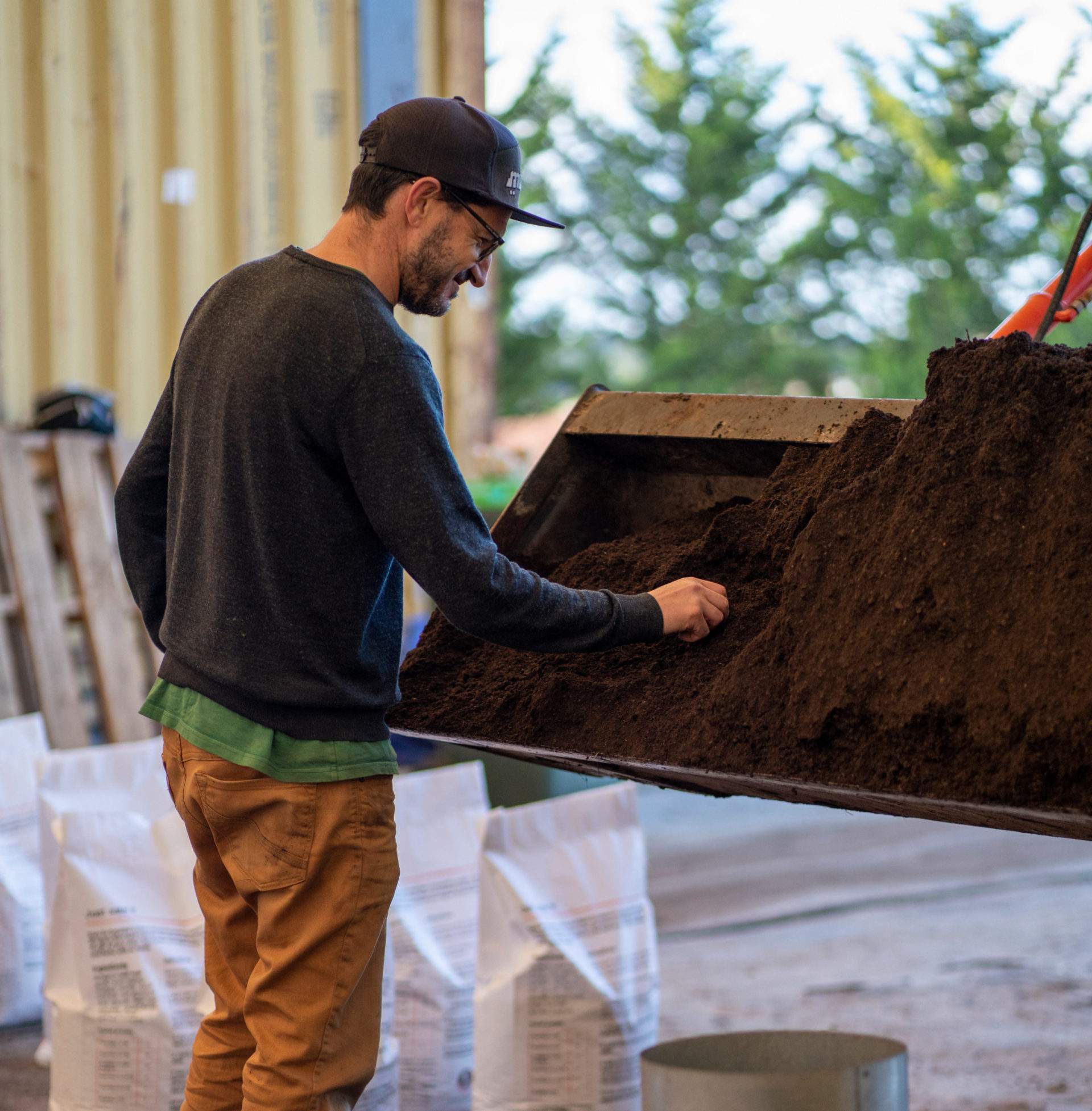
Photograph of man checking the quality of living soil

Maximising potential in living soils

The following article is a guide to help growers achieve the highest quality harvests in living soils. I've compiled this method from many years of trial and error and generous sharing of knowledge with amazing and like minded organic gardeners. My company, Easy As Organics was built on the joy that I got from experiencing the richest flavours ever and growing the healthiest plants I'd ever seen. The guide obviously works for any quality living soil or similar tea that you make yourself. If you don't feel like making your own, you can purchase most of the organic products listed in the guide at my website, easyasorganics.com.au

Below are some basic tea and topdressing recipes for maximising genetic and yield potential in your living soil. These teas will improve microbial activity and nutrient cycling, pest resistance and terpene/flavonoid production while reducing maturation time.

Neem Kelp Tea. For botanical nutrition and IPM.

  • 1/2 cup neem meal
  • 1/4 cup kelp meal per 19L water. 
  • Brew for 18 to 24 hours by stirring occasionally. Water your soil with this solution.

Malted Barley Powder topdress and tea

Top dress 1/4 cup freshly ground malted barley per 50L of soil or about 1 cup per m2. Alternatively, add about 56 grams of ground, freshly sprouted seeds to 19L of water and add the following:

  • 2.5 ml/L Fulvic Acid
  • Freshly blended aloe fillet or 1 tsp of Southern No Till Aloe Powder to 19L water

Coconut Water enzyme tea

  • 1.25 cups organic coconut water per 19L water.
  • 1 tsp Southern No Till Aloe Powder or a freshly blended aloe fillet

Integrated Pest Management (IPM) 

Weekly Foliar Spray:

  • 1/2 tsp Aloe Powder or a cup of aloe fillets blended in 4L of water. Ensure you dissolve the aloe powder in solution before adding emulsified oils. For triggering systemic acquired resistance: SAR. A natural plant immune response.
  • 1 - 3 ml/L of cold pressed neem oil, emulsified in shot glass with a few drops of Doctor Bronners Liquid Soap (baby soap, unscented) or a tsp of liquid potassium silicate. 
  • Alternatively, emulsify a couple drops of organic rosemary, lavender and/or peppermint oil (.5 ml/L total essential oils) with a few drops of Dr. Bronners' liquid soap and mix into water with the pre-blended Aloe Powder or fresh aloe.
  • Stir solution vigorously in the 4L tepid water and apply with a quality v-pattern pump sprayer to top and bottom of leaves at sun down or when lights turn off. Repeat this once per week for about 5 to 6 weeks total.
  • For excellent long term pest resistance, introduce predatory insects once the foliar program is complete. Predatory mites and other beneficial predatory insects will feed on any pest eggs or adults that may have been left behind after your foliar sprays. With proper care they can also become part of the soil food web ecology and help keep your plants safe from pest attack for more than a single growing cycle. See bugsforbugs.com.au for more info.

The above schedule is a guide only. Botanical inputs such as neem meal and kelp meal can be swapped with or mixed with other inputs to make your own nutrient and phytochemical rich teas. However, this simple, sustainable and economical cultivation schedule has proven to work very well for me and many others so it's a great foundation to start with. After a few weeks you should notice unparalleled peak plant health displayed by incredible leaf turgor, vigour, intoxicating aromas and dark green, shiny leaves, virtually resistant to pests and disease. Please keep in mind that this schedule should not begin until the seedling or cutting has established itself in the container or raised bed and is developing at a healthy rate. Only then, begin "Week 1". In between teas water lightly as needed to make sure soil stays evenly moist but not so wet that water runs out the bottom of the container. Water as little or as much as required to maintain the perfect soil moisture. This will vary depending on plant life stage, pot size, temperature, humidity and other factors. 

A performing soil must contain a balance of air and water for roots and soil microbes to access oxygen and expel CO2. When the moisture content of your soil is dialled in, you will notice amazing plant health and general vigour. If the soil is watered too much, the soil porosity will be completely taken up by water, not allowing for any air to enter the rootzone which will not only slow plant growth to a halt but also set the stage for pests and other unfavourable soil conditions. Only supply enough water to keep soil just moist. Once watering is mastered, the rest is a breeze.

When preparing soil for growing, plan for the length of time that your plant will be in the container, as well as the general size and vigour of your chosen cultivar. We’ve found that a fast growing annual grown indoors for a 4 week vegetative period and an 8 week flowering period will have all it’s nutrient requirements met from a 50L pot of Easy As Organics Living Soil with just water. Use this as a basic guide to figure out how much soil you will need for each plant in your garden. For example, a large, vigorous cultivar that you plan to grow outdoors in a container for an entire hot summer season from November to May, the total number of weeks the plant will be growing in that container will be roughly 25, give or take. This is double the amount of time as the above example of an indoor plant life cycle so not only will we want to double the soil volume but also consider the harsh outdoor Australian summer climate and increase soil volume by 2.5 to 3 times the indoor garden. In this outdoor garden you would need about 150L for uninhibited plant growth for a luxury plant buffet of nutrients and water.

Now that you’ve figured out what size container to grow in, water thoroughly until all soil is evenly hydrated and equalised throughout soil, but not so much that you see runoff. You should be able to squeeze the soil in your hand and only a drop should barely come out. If you know the particular plant variety is an extra hungry and vigorous cultivar, a handful of Regenerate blend scratched into the top layer of soil and covered with a thin layer of worm castings will add to the nutrient bank and further boost beneficial microbes for your plant’s future growth cycle. The microbes in the worm castings will start mineralising organic nutrients from the Regenerate blend while also immediately supplying plant available nutrients. Apply MycoBiome mycorrhizal fungi powder directly to the roots of your transplant, clone or seed and place into the soil, covering roots with more soil. The MycoBiome powder will inoculate your soil with an incredibly important part of the soil food web, mycorrhizal fungus. Mycorrhizal fungi extracts nutrients and water contained in your soil's cation exchange sites and wraps itself around soil particles, holding them together, improving soil structure. The plant can then take up more nutrients at an efficient rate by forming an association with the fungus at its roots, in exchange for sugars infused with carbon. This will greatly increase the nutrient cycling ability of the soil ecology and the plant’s ability to take up nutrients as well as protecting itself from pest and disease attack.

Watering technique is key to success in living soils. When you first plant into properly prepared, hydrated living soil, you may find you don't need to water again for some time as the seedling establishes itself. This is the most common time for growers to over water. Avoid the temptation and wait until your seedling begins to take off! After using these methods for 1 to 2 growing cycles you will notice a visible level of microbial life underneath the mulch layer and no pest pressure. This diverse microbiome will increase in beneficial predatory mites and other insects, fungi, predatory nematodes and much more, as they all help the plant grow to its ultimate potential. Plant health should remain constant and unnecessary stress factors should be avoided such as transplanting or changing light spectrum. Input requirements will be reduced to a simple fortnightly botanical tea or amendment topdressing to deter pests, maximise terpenoid expression and keep your soil nutrient bank (total cation exchange capacity) full for a constant luxury plant buffet. Using these methods and the above amending and tea schedule, the greatest quality harvests can be achieved.   

Written by Matt Barnes, Easy As Organics.


Photo of Easy as Organics living soil on right versus standard potting soil on left. Plants on left grown in Easy as organics are larger and healthier.

Potting Mix Trials Update

  • Easy As Organics Water Only Soil vs Commercially Available Certified Organic Potting Mix

Plants grown in biologically active soils exude compounds from their roots via photosynthesis to attract microbes into the rhizosphere in exchange for the nutrients it needs. The more diverse a soil microbiome, the more effective this natural process is. This is very different to a conventional approach where the grower will be the one responsible for providing nutrients in ionic form to the plant directly via a liquid solution. I hope that this trial will demonstrate clearly the true nature of living soils in action when compared with a regular organic potting mix that can be found in any local nursery or department store.

The hypothesis:

Plants grown in Easy As Organics Water Only Soil will out-perform a commercially available certified organic, certified to meet Australian standards for compost (AS4454) potting mix. The performance will be noticeable in the later stages of vegetative growth towards flowering and especially in yield and quality.

The label on the commercially available potting soil product claims to be a rich organic potting mix with enough nutrients for 3 months of healthy plant growth.

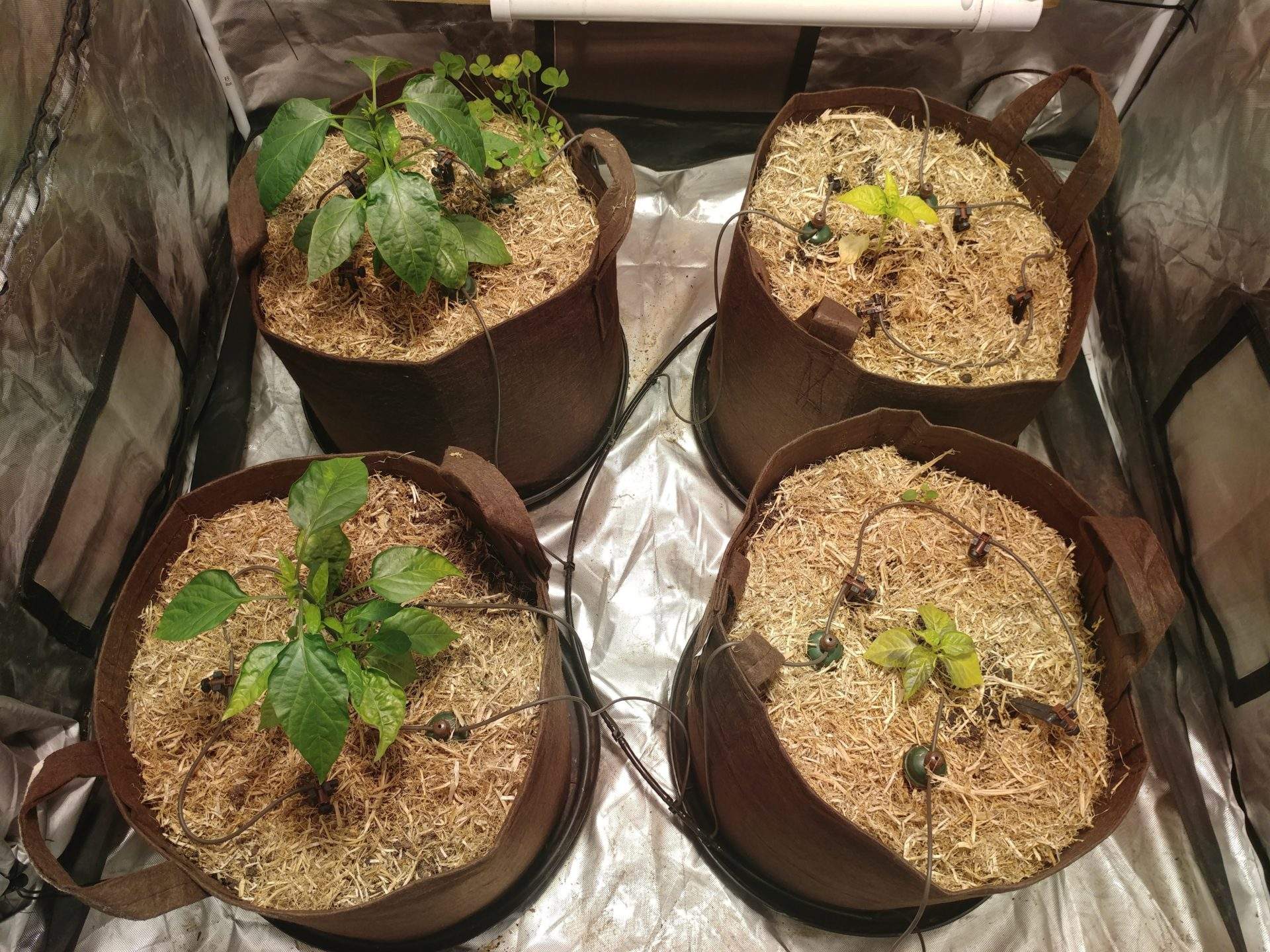
The methodology consists of 4 plants, each growing in a 45L container inside a 1.2 x 1.2m growing tent. An extraction fan was installed to pull fresh air via a centrally located vent at the bottom. A single 315w ceramic metal halide lamp mounted in a reflector at the top of the tent with a light cycle of 15 hours on and 9 hours off will provide wide spectrum lighting.

Plant variety is Purple Ghost Chilli from a renowned chilli breeder. Seeds were propagated in a seed raising mix containing 80% peat, 10% aeration, 10% worm castings and amended with lime and kelp meal. 4 seedlings with the most similar characteristics were planted in each 45L container. The 2 growing on the left is growing in Water Only Soil and 2 on the right is Certified Organic Potting Mix (un-named)

An automatic, gravity fed Blumat system was installed. Rather than introducing a variable by hand watering, plants are only taking what they needed based on soil requirements.


Day 22 from transplant. Water Only Soil (living soil) on left, commercial potting mix on right.
Day 49 from transplant. Water Only Soil (living soil) on left, commercial potting mix on right.

It should be noted that temperatures have been very cold and are contributing to the slower rate of growth. I placed a gentle greenhouse bar heater to take the chill off.

Living soil on the left is clearly ahead. I was not expecting this dramatic of a result so soon in the trial. Both potting soils and leaf tissue samples will be sent to a lab for analysis at the end so we can have more data to help make sense of the results. Hopefully the experiment can help those looking for higher performing soils containing better ingredients but are perhaps hesitant to spend extra money. Stay tuned for updates and a time lapse video at the end of the trial!


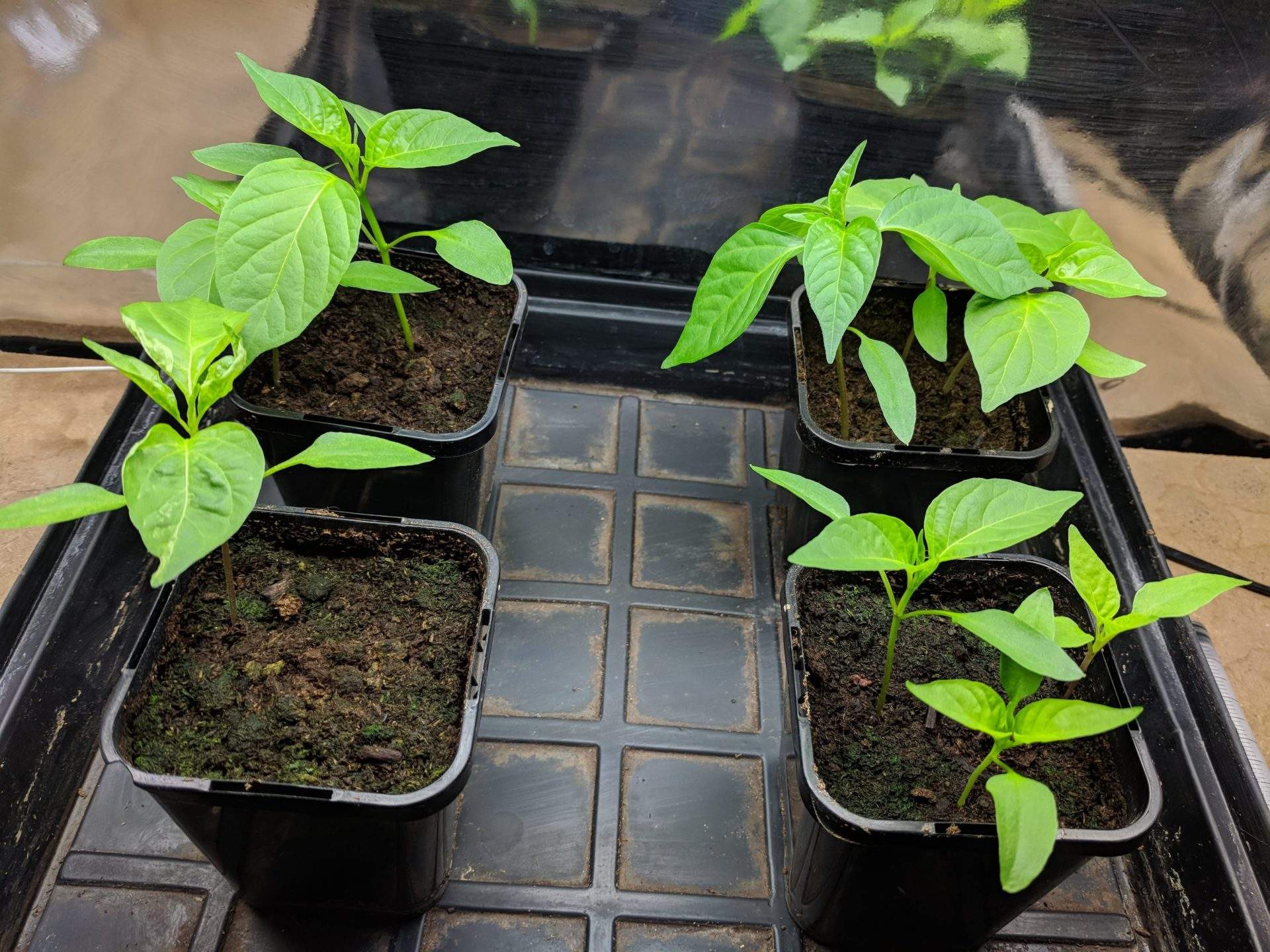
Photo of capsicum seedlings used in the Easy as Organics living soil versus standard potting soil trial

Living organic soil vs standard organic potting mix

Grow trial

For this trial I have 3x 45L fabric pots with our Water Only Soil and a single 45L fabric pot with the most expensive organic potting soil available from Bunnings.

Organic purple ghost chillies have been propagated from seed and I'll pick 4 of the most similar look seedlings for the trial. The seeds were coated in a mycorrhizal inoculant and will get a second dusting of mycorrhizae when transplanted into their containers.

https://youtu.be/kdog62cVdTE

Blumats will be taking care of watering automatically so all pots will get a steady supply of water based on its individual needs.


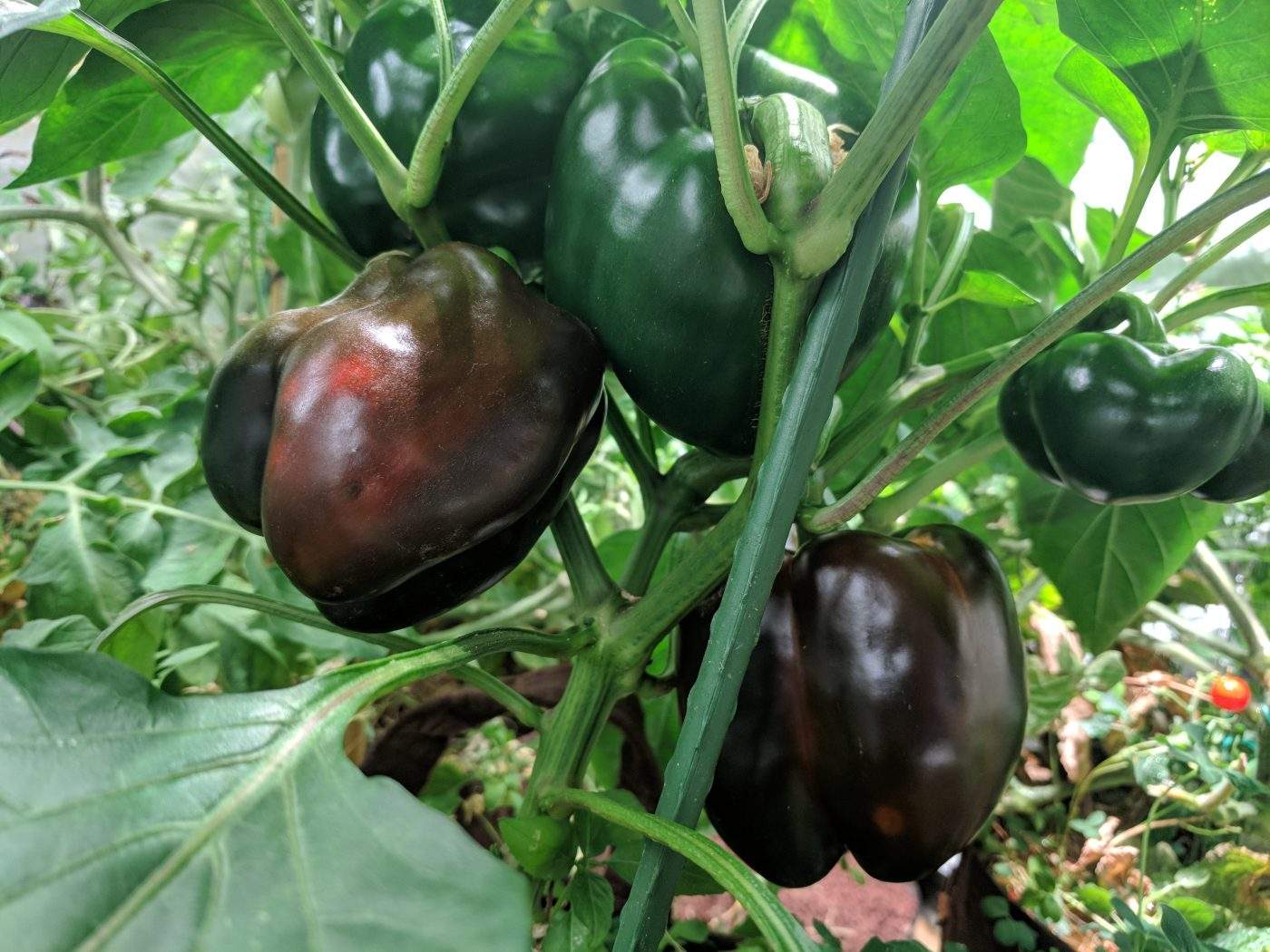
peppers

No Till Gardening and Mineral Balancing in Containers

Growing in living organic soil has endless benefits when compared with more conventional methods that require careful and measured applications of synthetic chemical fertilisers in inert growing substrates. Some of these benefits include unparalleled complexity of flavour and aroma, nutrient density and overall superior crop quality, cost savings and environmental sustainability by reusing soil over multiple growing cycles with no-till cultivation principals. A high quality, well constructed living potting soil will have a high CEC (cation exchange capacity, the measure of its ability to hold minerals, nutrients) and water holding abilities which not only reduces the need for fertiliser inputs but also presents a potential solution to harmful nitrate runoff into the environment and wastage of precious water resources. I’m going to address CEC and how it relates to no till gardening for the purpose of this article.

Cation exchange capacity and base saturation

Firman Bear and William Albrecht began researching the cation saturation ratio system in the 1940s and 50s. They discovered that most fertile soils contained nutrients in similar ratios. These highly productive soils had similar physical and chemical properties with thriving microbial populations.

Let’s look at CEC and base saturation and why they are so important to consider in your living organic soils.

Cation exchange capacity is a measurement of how many mineral cations the soil can hold on to. Cations are positively charged nutrient ions consisting of calcium, magnesium, potassium, sodium and trace elements. The higher the soil CEC, the more negative exchange sites are available to hold onto minerals. The aim when building a quality living organic potting soil from a mineral balancing perspective is to fill the soil exchange sites with a ratio of about 70% calcium, 10% magnesium, 4% potassium and 1.5% sodium… leaving the rest for trace elements and exchangeable hydrogen. The higher the CEC, the more forgiving the ratios are and the longer your plants will be able to take up nutrients without having to replace them via topdressing.

When CEC is filled close to the ideal ratios, the soil will have a mineral composition that encourages optimal physical properties to provide an ideal habitat for beneficial soil microbes. This enhances plant microbial interactions which allows efficient nutrient uptake by plants through root and microbial exudates. Both the plant roots and microorganisms can exude hydrogen ions and exchange them for calcium or other cations efficiently. This exchange is what keeps soil pH optimum, at around 6.4. A well constructed living organic potting soil takes all of this into account for maximum crop performance and dense mineral content. The end results are crops that contain superior flavour and aroma from huge secondary metabolite production and nutrition from yields limited only by plant variety and general cultivation practices such as watering technique and environmental conditions.

Our Water Only Soil has a CEC of 33 and a water holding capacity of 64%. The high CEC and high water holding capacity is what enables the soil food web to efficiently exchange nutrients with plants as needed.

No till cultivation to create soil health for the long haul

Many annual crops have high nutrient demands and will extract nutrients, minerals and organic matter from soil over time. Organic matter must be returned to the soil after harvest for the next crop. This can be achieved by keeping a constant mulch layer and sprinkling light amounts of a balanced amendment blend in between crop cycles.

When topdressing, work amendments into the upper inch of your soil and add a layer of the highest quality worm castingsyou can get a hold of. Always mulch with straw to encourage even moisture content. Mulch will also supply constant organic matter. A constant supply of organic matter helps carbon cycling in the soil through increased microbial activity that breaks down minerals into plant available form. The continual addition of mulch will create humus through microbial decomposition. Humus increases the CEC of your soil which improves the capacity to provide for crop requirements as needed. Frequency of application will depend on soil volume and plant age. The smaller the container, the more frequent mineral and humus applications may need to be applied.

No till cultivation is not recommended in container sizes under 50L as the soil food web will not have the space to function effectively. Raised beds with ample soil volume and a constant layer of organic mulch would be enough to stimulate microbial activity. This will ensure constant nutrient cycling for efficient crop production. Small applications of our Regenerate blend in between crop cycles will keep cation and other nutrients at optimum levels. Cover crops are an economic and effective source of organic matter. Planting cover crops in your soil will encourage biological diversity, soil structure, nitrogen fixation and carbon cycling and is a free source of mulch. No till gardening is a highly effective method of maintaining and increasing soil fertility for many years.

Regenerate is a balanced blend of organic amendment meals and mineral rock dusts with a mycorrhizal inoculant. This blend contains gypsum, neem and kelp meals, soft rock phosphate, basalt rock dust, malted barley and mycorrhizae. Its most effective when topped with a layer of worm castings to quickly make the nutrition plant available. Your living organic soil should increase in fertility over time, reducing water and input requirements.

Consider the balance of cations as well as your soil CEC. Applying too many fertiliser inputs can alter this balance and do more harm than good. If managed well, your soil can provide harvests for a lifetime.


Earth worms in potting soil

Worm castings, soil gold

Earth worms in potting soil
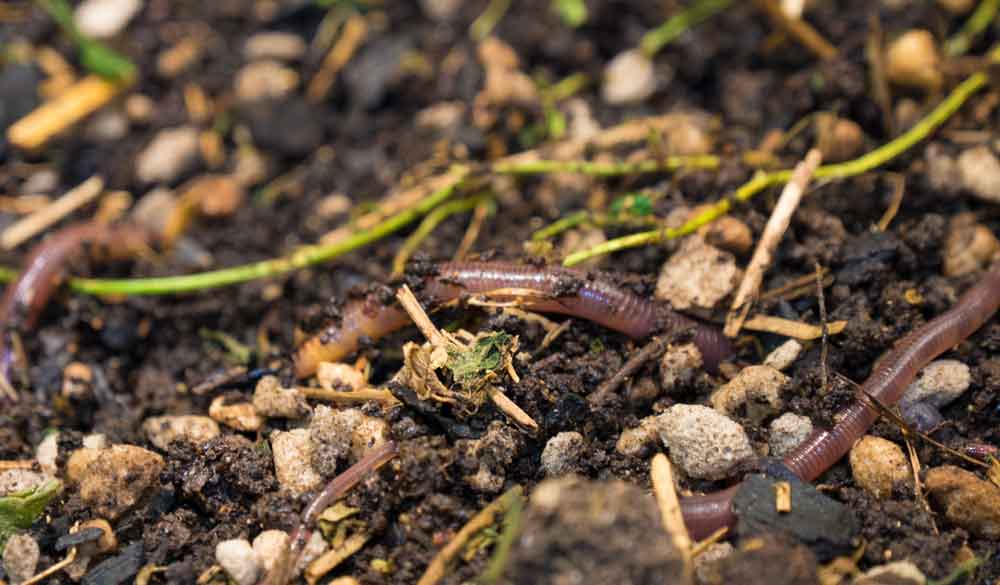
A peek under the mulch in a 50L container of living organic soil shows a thriving population of earth worms. These were not added intentionally but rather appeared after the addition of worm castings via a topdressing.

Vermicompost is the key to successful organic crop production

Earth worms have been studied by philosophers, pharaohs and scientists for thousands of years. Cleopatra VII, the last Egyptian Pharaoh sentenced to death anyone attempting to smuggle worms out of Egypt. Aristotle called worms "intestines of the earth". The productive role of earth worms in the cultivation of crops have only been properly researched in recent decades. Vermicomposting helps solve waste problems by digesting raw organic food scraps, manures and other organic materials through biological decomposition and excreting a perfect fertiliser called worm castings or vermicast. It is a fertiliser rich in NPK, micronutrients, plant growth regulators and an incredible diversity of highly beneficial soil microbes. Effectively, compost worms transforms organic waste into soil gold.


Worm castings are the richest source of humus

Vermicompost contain a high level of humus, rich in humic acid. This improves air porosity and water holding capacity which dramatically increases health and vigour of young seedlings and mature plants. Humic acid contained in worm castings have many cation exchange sites that hold plant available nutrients such as calcium, iron, potassium, phosphorus, magnesium and sulfur. It holds onto these plant available nutrients in solution and releases them to plants when they need them. The humic acid in worm castings dissolves organic minerals, stimulates root growth and reduces plant stress while enhancing nutrient uptake.

The high humus content in worm castings provides disease and pathogen prevention from unwanted organisms such as root rot. Worm castings contain beneficial microorganisms and are many times higher than populations found in most soils and thermophilic composts. Earthworms stimulate these soil microbes such as nitrogen fixing and phosphate solubilising bacteria as well as actinomycetes and mycorrhizal fungi. Worm castings are the most important input in your soil due to the high content of humus and slow release, plant available nutrients.


Natural plant growth promoting hormones

Worm castings promote incredible growth and plant health beyond what simple nutrient uptake could ever achieve. This comes from the many forms of natural growth hormones contained in the vermicast. Studies have shown worm castings to contain cytokinins, auxins and flowering hormones, gibberellins. Plants grown in soil that contains worm castings show faster flower development than without worm castings.


Pest and disease prevention

Vermicompost has the ability to ward off and prevent pest attacks from hard bodied insects such as spider mites and aphids. This is due to the chitinase enzyme produced by the worms which destroys the insect bodies made of chitin. The addition of chitin inputs in your soil like malted barley or crustacean shells will further stimulate chitinase enzyme-producing microbes. The diverse polulations of microbes have the ability to out-compete pathogenic organisms, drastically reducing fungal disease and root knot nematodes.


Vermicompost in your soil mixes

Studies show undoubted benefits from the addition of worm castings to your potting mixes and garden beds. Vermicompost can be used by topdressing soil and watered in or blending into a potting mix at 20% of total volume for maxium benefit. Worm castings are the key to successful organic crops and eliminates the need for harmful chemical fertilisers.


Photo of praying mantis on cumfrey leave

Organic Pest Management Tips

Organic cultivation requires natural methods of dealing with pests. Organic pest management methods should take into account the preservation of soil microbiome and biodiversity in general regardless of the pest you may be dealing with. For my first tip, I'm going to lump 3 common but nasty leaf sucking pests into one management process. Thrips, spider mites and aphids. First of all, ensure all environmental practices such as watering and temperature are optimal for soil health and plant growth. Unhealthy plants send signals to pests to be eaten. Once you have determined your pest is one of the ones mentioned above, make a foliar spray consisting of an all natural neem oil product at the rate of 2-3ml/L and spray all leaf surfaces top and bottom at sundown every 3 days for at least 4 applications to break the breeding cycle. Then, order some cucumeris predatory mites from Bugs for Bugs at www.goodbugs.org.au and stop foliar spraying. These highly effective, all round predator mites will feed on the larval stages of thrips and mites. Additionally you can introduce californicus predatory mites if spider mites are a more severe problem, however after 4 foliar applications of neem oil there should only be a small pest population left. In a living organic, probiotic garden, introducing beneficial predatory insects is an excellent way to not only control pests but to increase the biodiversity of your garden which is what we should strive for with organic cultivation practices.


Photo of Southern No Till Regenerate product

New Products: For re-amending no till gardens and recycling old soil.

No till, organic gardening is our passion and we are really excited to launch Southern No Till, a brand that is fully dedicated to all natural cultivation styles. Our product range will include organic, minimally processed raw soil amendments, high quality compost and worm castings and many more living organic soil building inputs.

soil food webSouthern No Till’s focus is on the soil food web: the complex microbial community responsible for effective nutrient cycling and ultimate plant health in optimal soil.  All of our organic gardening inputs are carefully considered for soil microbiome health and are mostly plant and rock mineral derived. We’ve chosen plant and mineral sources that bring maximum benefits to the table per square centimetre, hence why we’ve introduced the following 3, highly effect organic and no till gardening products for availability in our store.

Neem Meal and Kelp Meal provide a huge array of plant and microbe-promoting benefits beyond the NPK profile.  Neem meal is an amazing botanical source of nutrients with a balanced macro and micro nutrient profile. Neem meal is created after the oil is pressed from the seed and is a true sustainable source of green manure.  It contains pest-resisting limonoids which act as an anti-feedent and also disrupts breeding and laying of pest eggs. Our kelp meal is minimally processed. This preserves the many secondary metabolites present in kelp that stimulate plant health and growth. These beneficial secondary metabolites are destroyed during the processing of concentrated kelp extracts. Powerful growth promoting hormones naturally contained in kelp include cytokinins, gibberellins, auxins, indoles and many others. This whole kelp meal will provide a balanced spectrum of minerals and micro-nutrients. Kelp contains over 60 trace elements.

Recharge Nutrient and Mineral Blend is a great way to topdress, build new soil or recycle old soil from a single blend of carefully selected ingredients.  It is a plant-based amendment and rock dust mineral blend which is perfect for re-amending soil beds and containers in between growing cycles, especially for people who don’t have the resources to get their soil tested as it contains a wide array of slow and quick release nutrients and minerals in organic form for microbial stimulation and long term soil fertility throughout the growing cycle. We’ve also added an Australian made mycorrhizal inoculant. I’ll save the massive benefits of adding mycorrhizal inoculants to containers and raised beds in living soils for another blog article!

Recharge contains:

Neem Meal: pest resistance, macro nutrients. Certified Organic

Kelp Meal: Growth hormones and micronutrients. Certified Organic

Malted Barley: Enzymes for faster microbial action

Paramagnetic Basalt Rock Dust: Raises soil fertility and provides slow release trace elements

Gypsum: Certified Organic. Provides sulfur and calcium and does not affect pH. If building your own soil, add appropriate amount of calcium carbonate if correcting acidic soil from the addition of sphagnum peat moss. We left out lime so your soil pH will not shift over time and become more alkaline.

Soft Rock Phosphate: Naturally sourced, un-processed rock phosphate high in trace elements, calcium and phosphorus as well as silica - a cell strengthening element.

Mycorrhizae: Contains 4 species of endomycorrhizal fungal spores. Made in Australia


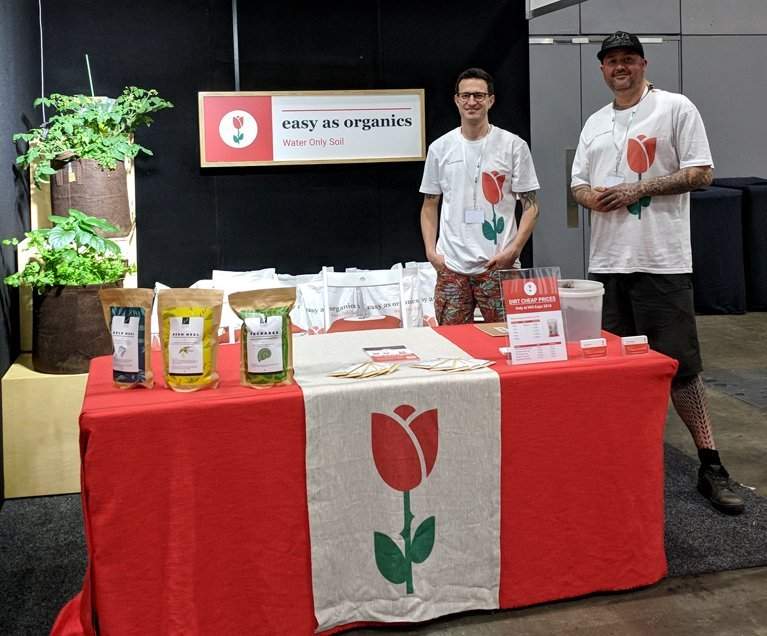
Hemp Health and Innovation Expo Melbourne 2018

Hemp Health and Innovation Expo Melbourne 2018

Hemp Health and Innovation Expo Melbourne 2018

The Hemp Health and Innovation Expo has become a major showcase for up and coming entrepreneurs and established companies alike. It presents incredible opportunities for the general public to discover first hand the massive potential benefits of hemp and medicinal cannabis directly from experts in the industry. Exhibitors at the Melbourne Hemp Health and Innovation Expo showcased a wide range of businesses offering innovative hemp food and beverages, medicinal information and products, building materials and of course, cultivation equipment and materials.

We were very impressed by the public’s growing knowledge of organic growing methods using living soils in containers.  People were very receptive to organic cultivation methods as an environmentally sustainable and healthy alternative to using synthetic bottled nutrients in a sterile growing medium. Some of our HHI Expo customers have already given us great feedback about how well their Easy As Organics Water Only Soil is performing. Two customers have even setup controls to compare the difference between conventional growing and our water only living organic soil and are thrilled with the results so far.

The HHI Expo is an excellent forum for networking and public awareness for both the general public as well as businesses.  We look forward to seeing you at the next show in Sydney 2019.


Living Soil

Easy As Organics Soil Blend - What's it made from?

Circular Food

Easy As Organics Soil Blend - What's it made from?

In our soil blends, humus is the most important factor as it contains all biology required for a fertile and highly productive soil blend.  These microorganisms produce humic substances, stimulating root and shoot growth and increasing the breakdown of NPK and trace minerals.  They create soil structure and protect your plants from disease-causing organisms. Quality humus is essential as it contains all life, carbon and humic acids to build ultimate soil structure for water holding capacity and nutrient availability. Bacteria make the glues that create aggregates which fungal hyphae then hold together. This creates larger particles and opens pathways for plenty of oxygen and water to enter the soil. Bacteria and fungi create slimes, acids and enzymes which break down raw, organic nutrients and exchange these ions for plant root exudates.  The microbial activity then attracts larger microbes that prey on bacteria, fungi and organic matter, further cycling plant available nutrients and creating pathways for water and oxygen. This natural process builds a fertile soil, an aerobic environment which is essential to fostering a productive soil food web. This food web includes all the beneficial, disease-supressing microbes that will ultimately work for you and your plants.  Living compost increases water holding capacity and eliminates the need for chemical fertiliser input. It chelates minerals through a natural abundance of humic and fulvic substances. Compost contains positive and negatively charged ions that attract and hold on to nutrients and minerals, eliminating any leeching that would occur in soil devoid of humus.  After a few weeks of growth in our soil blends, you will notice worms crawling around underneath the mulch. Their cocoons which are in the castings will hatch and produce worms that are hugely beneficial to the nutrient cycling process.

Our soil is produced on site at Circular Food, Australia's largest urban worm farm.  These castings are used in our blend and are added directly from the worm beds with no transportation.  We use high quality aged compost and Big Bio Worm Castings to ensure the widest spectrum of humic substances, nutrients, enzymes and microbes are present in abundance.  This is the driving force of Easy As Organics Soil Blends and is what makes multiple bountiful harvests possible in single fabric containers as small as 50L!

Neem Meal and Kelp Meal provide a huge array of plant and microbe-promoting benefits beyond the NPK profile.  Neem seed meal is an amazing botanical source of nutrients with  balanced macro and micro nutrient profile. Neem seed meal is created after the oil is pressed from the seed and is a true sustainable source of green manure.  It contains pest-resisting limonoids which act as an anti-feedant and also disrupts breeding and laying of pest eggs. Acadian kelp meal is minimally processed. This preserves the many secondary metabolites present in kelp that are hugely beneficial to plant health and growth. These beneficial secondary metabolites are destroyed during the processing of concentrated kelp extracts. Kelp contains cytokinins, gibberellins, auxins, indoles and other natural growth promoting hormones which all act as powerful growth promoters.  This whole kelp meal will provide the full balanced spectrum of minerals and micro-nutrients. Kelp contains over 60 trace elements.

Biochar is blended into the soil and has been pre-charged with nutrients and microbes.  We source our biochar from Charman who produces the highest quality char that we could find in Australia.  It's made from walnut shells and has a massive surface area.  It holds carbon in soils for an extremely long period of time, increasing long term soil fertility, stimulating microbial activity.  This helps immensely in long term no-till container gardening due to char's ability to hold on to water and nutrients like a sponge and provides a perfect home for the plethora of life present in the soil.

Malted barley has been added for it's chitin which is broken down by bacteria to create the enzyme chitinase.  This enzyme degrades pest eggs and prevents gnat and other larvae from maturing. It helps nutrient cycling at the initial stage of composting a new soil mix due to the large amounts of enzymes released into the soil.

The mineral mix that is added includes basalt rock dust of the highest paramagnetic reading of any quarry in Australia.  It reads at about 1600 to 2000 cgs. Calcium bentonite from Western Australia is added to increase CEC and calcium availability while gypsum and Gippsland Coral Lime (oyster shell flour) is added to this mineral blend and mixed into our soil at luxury levels. Crushed rock dust provides mineral food for soil life and stimulates their activity.

Canadian sphagnum peat moss and an aeration amendment of scoria is used as a base for this soil blend. Canadian sphagnum peat moss has been chosen instead of coco coir due to its superior cation exchange capacity 100 - 200 compared with coco's 40 - 60.  There are many naturally occurring microorganisms and elements in peat moss including sulphur which helps terpene expression significantly.  It has an incredible water holding capacity.

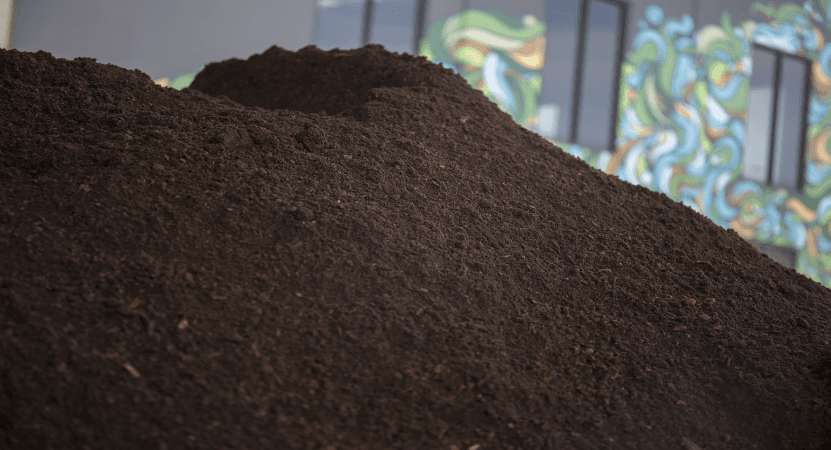
After all of the above components are thoroughly mixed, inoculated with task-specific bacteria and mycorrhizal strains, then hydrated and left to sit in cubic metre piles to allow a microbial nutrient cycling process to take place and create a perfect soil blend.  After a few weeks, the soil is bagged down and sold.  You can expect amazing performance, stunning plant health and vigorous growth in Easy As Organics Living Organic Water Only Soil.

Organic Soil